1. Reading propeller markings
The numbers and letters describe prop geometry. Two common formats are 5043x3 and 5x4.3x3; they mean the same thing.
2. Parameters and flight feel
Diameter
7-10 inch props offer thrust and efficiency for long range but change RPM more slowly. Smaller 3-5 inch props have less inertia and a sharper response for freestyle and racing.
Pitch
Low pitch around 3.0-3.8 creates less load and can extend flight time. High pitch around 4.3-5.0+ can add top speed, current draw and heat.
Blade count
Bi-blades are efficient, tri-blades are the FPV all-rounder, and four or more blades can provide cinewhoop grip with a significant efficiency penalty.
System load
Size, pitch and blade count affect motor, ESC and battery load. Do not increase pitch blindly; check current draw and motor temperature.
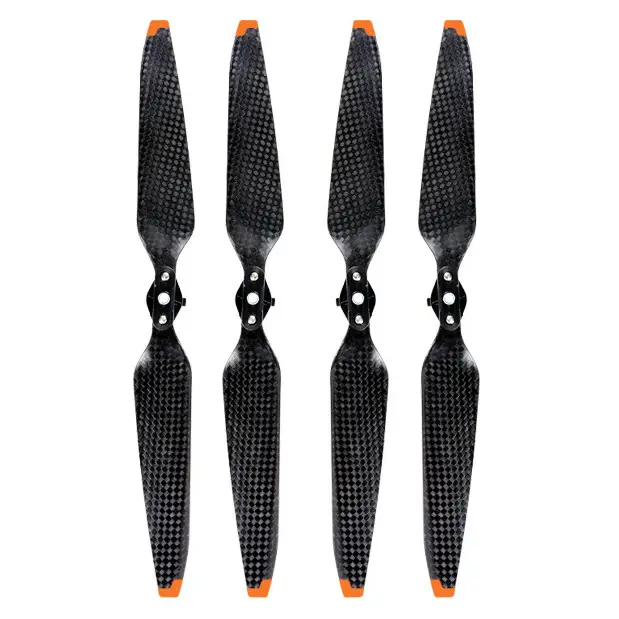
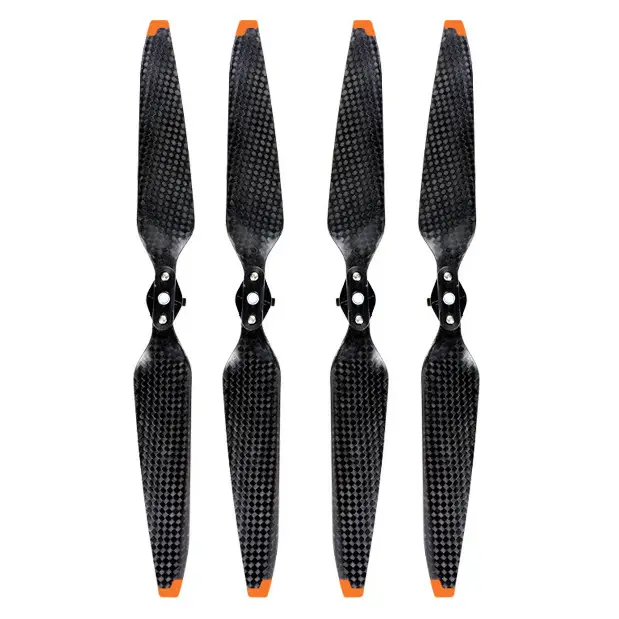
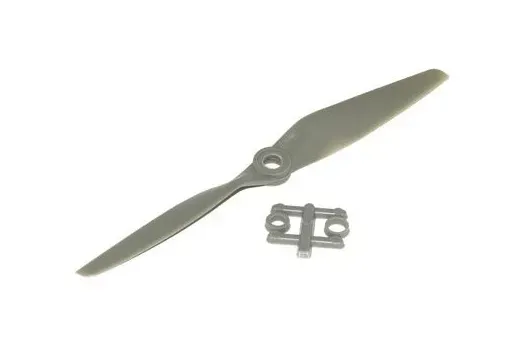
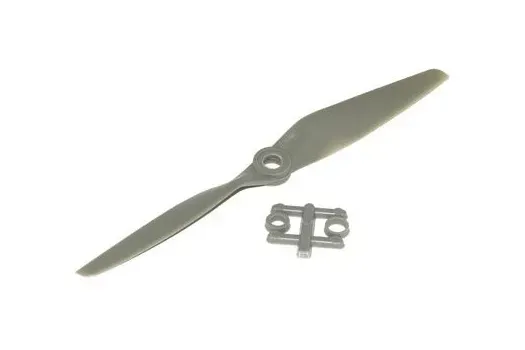
3. Rotation direction: CW vs CCW
Props are supplied as clockwise (CW) and counter-clockwise (CCW) pairs. Install each one by the configured motor direction, not just by how it looks.
Both layouts work in Betaflight. Check motor direction and prop orientation with props removed first.
4. Materials and mounting
Polycarbonate
The standard FPV material: resilient and flexible enough to survive minor impacts better than very rigid props.
Rigid composites
Fiberglass and carbon composites can be rigid but brittle. Keeping spare polycarbonate props is more practical for a first build.
M5 nut
A standard 5 mm shaft nut, common on five-inch and larger motors.
T-mount
Two M2 screws, commonly used on 1-3 inch systems. The mount must match the motor rotor.
5. Pre-flight checklist
- The raised, curved blade face points upward toward the sky.
- Each prop matches the motor direction: CW or CCW.
- No blade has cracks, chips or white stress marks.
- After a hard landing, check for deformation to avoid vibration and video jello.
- After a prop change, make short checks for motor temperature and current draw.
Build a safer propeller setup
Choose the frame, motors, battery and flight style in the builder to see whether the prop physically fits and whether the power setup needs attention.
Open the builder